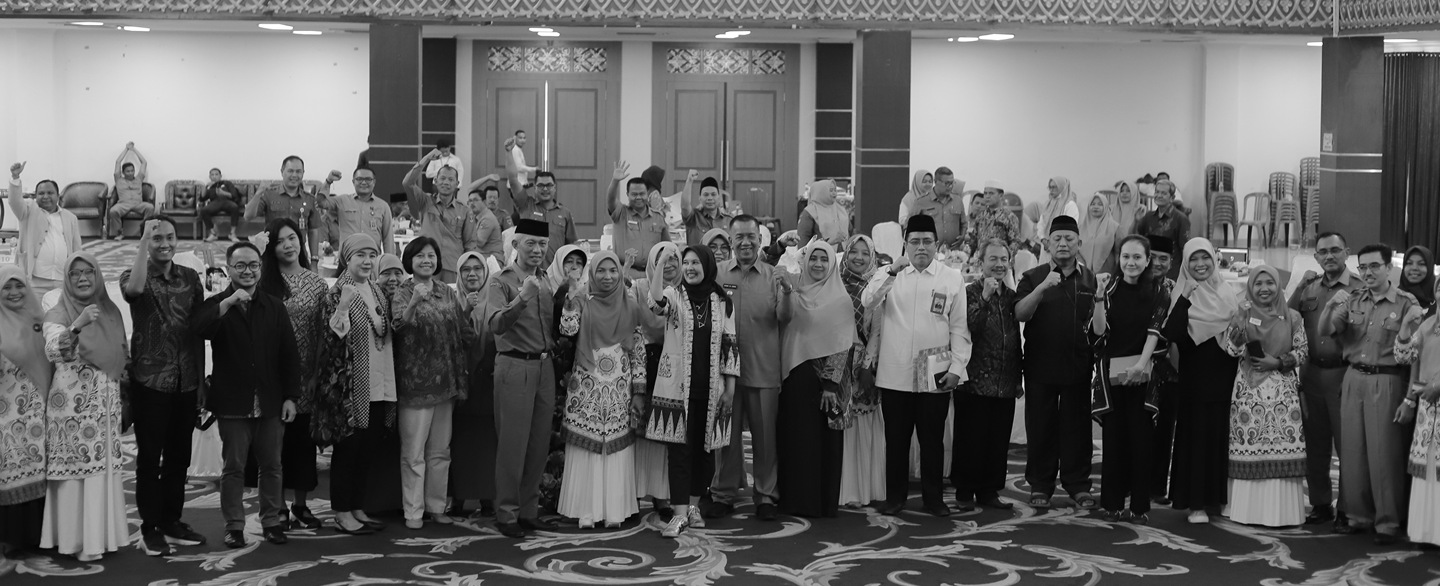

Lingkar Daerah Belajar (LDB) is collaborative initiative to strengthen an educational ecosystem that is equitable, contextualized, and child-centered through cross-stakeholder collaboration, both within and across regions. LDB was established since 2020 to support the realization of a more just and prosperous society through quality education.
Disparities in the quality of education across regions remain a major barrier to achieving a just and prosperous society. Unequal access to quality education not only affects learning outcomes but also widens inequalities in economic, health, social, and environmental sectors. Cross-stakeholder collaboration at the regional and inter-regional levels still needs to be strengthened to address the complexity of these challenges.
LDB promotes the development of a shared vision and collective action among diverse actors to build a just, contextual, and child-centered education ecosystem. LDB strengthens networks within and across regions to scale up good practices, expand the reach of impactful innovations, and reinforce cross-regional solidarity.
LDB engages local governments, educators, community organizers, civil society organizations, the private sector and industry, as well as children as the central subjects of education.
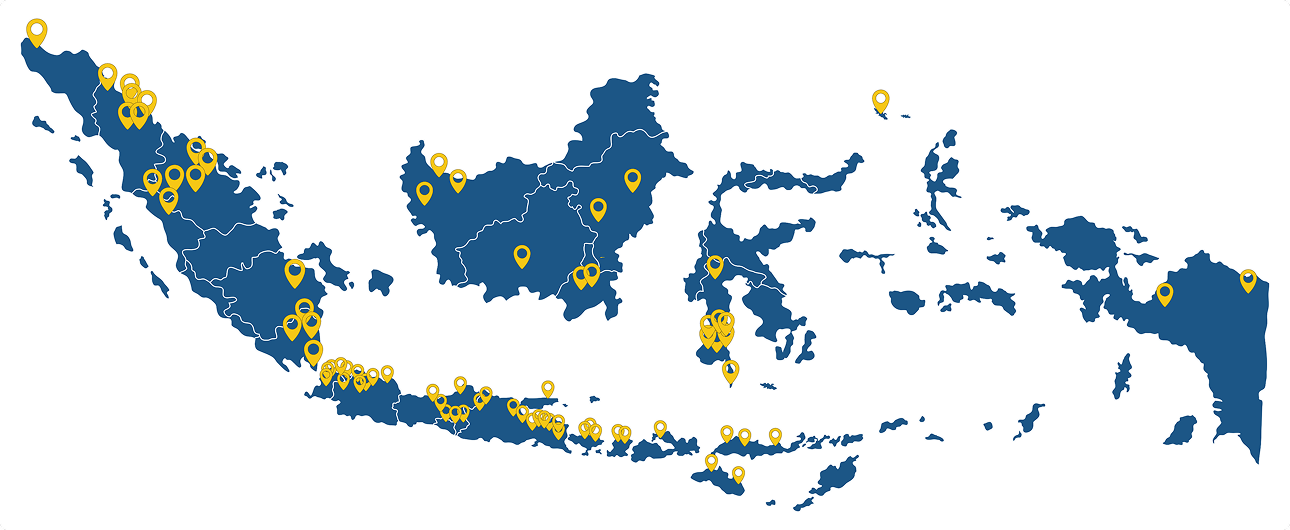
Since 2020, LDB has activated

62 CITIES/ REGENCIES

14 PROVINCES
strengthening collaboration to promote more equitable access to quality education
Established

90 Regional LDB COORDINATORS (2023–2025)
comprising teachers, school principals, supervisors, and organizational representatives across
44 CITIES/ REGENCIES
12 PROVINCES
More than

have been conducted at both regional and national levels.
How Does LDB Invite Regions to Change and Equitable Education?
Within LDB, PSPK focuses on influencing education policies at the local level to support the development and improvement of regional education quality as a foundation for a more prosperous society. Policy advocacy may take the form of strengthening existing education programs and policies, as well as proposing new initiatives aligned with regional priority issues.
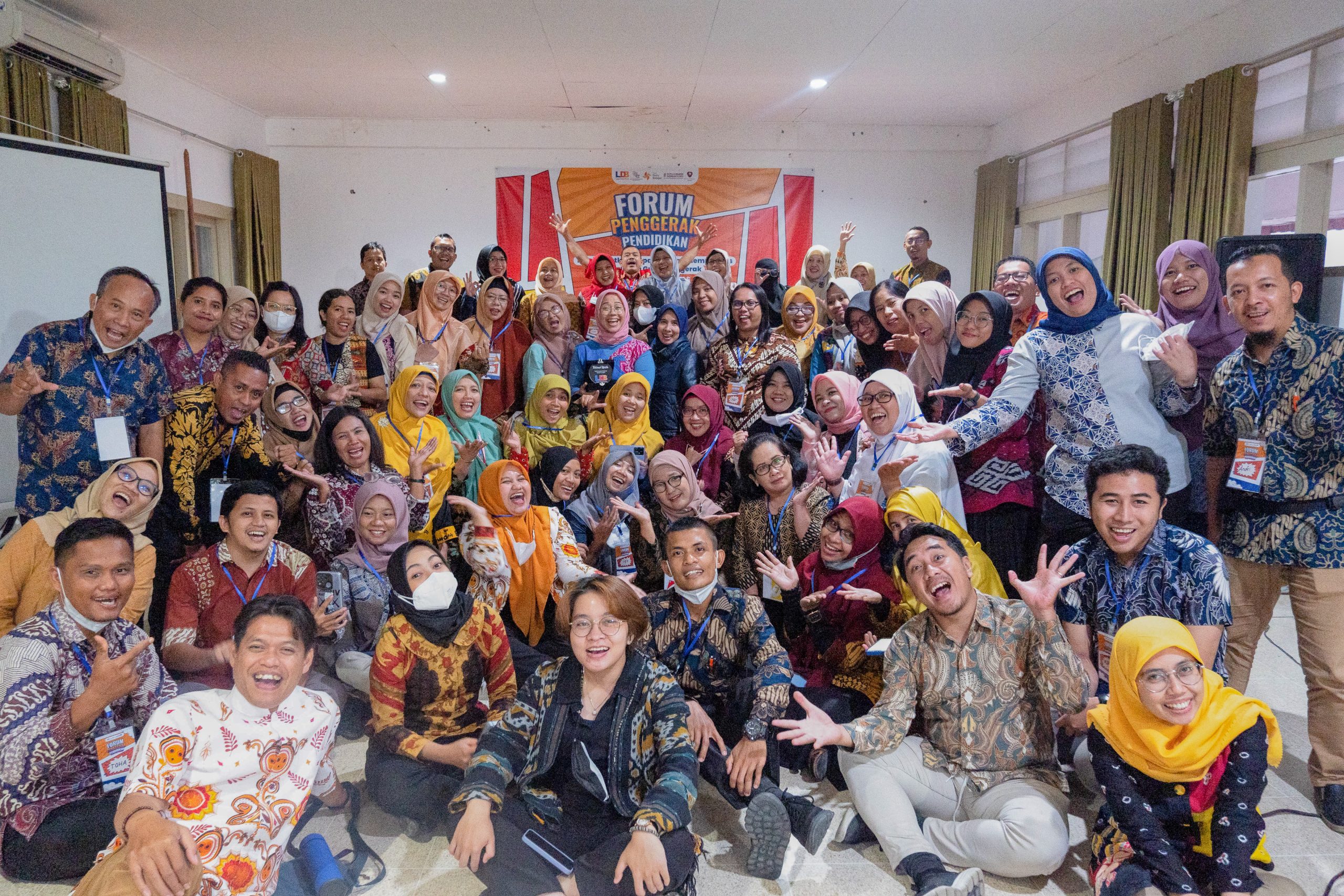
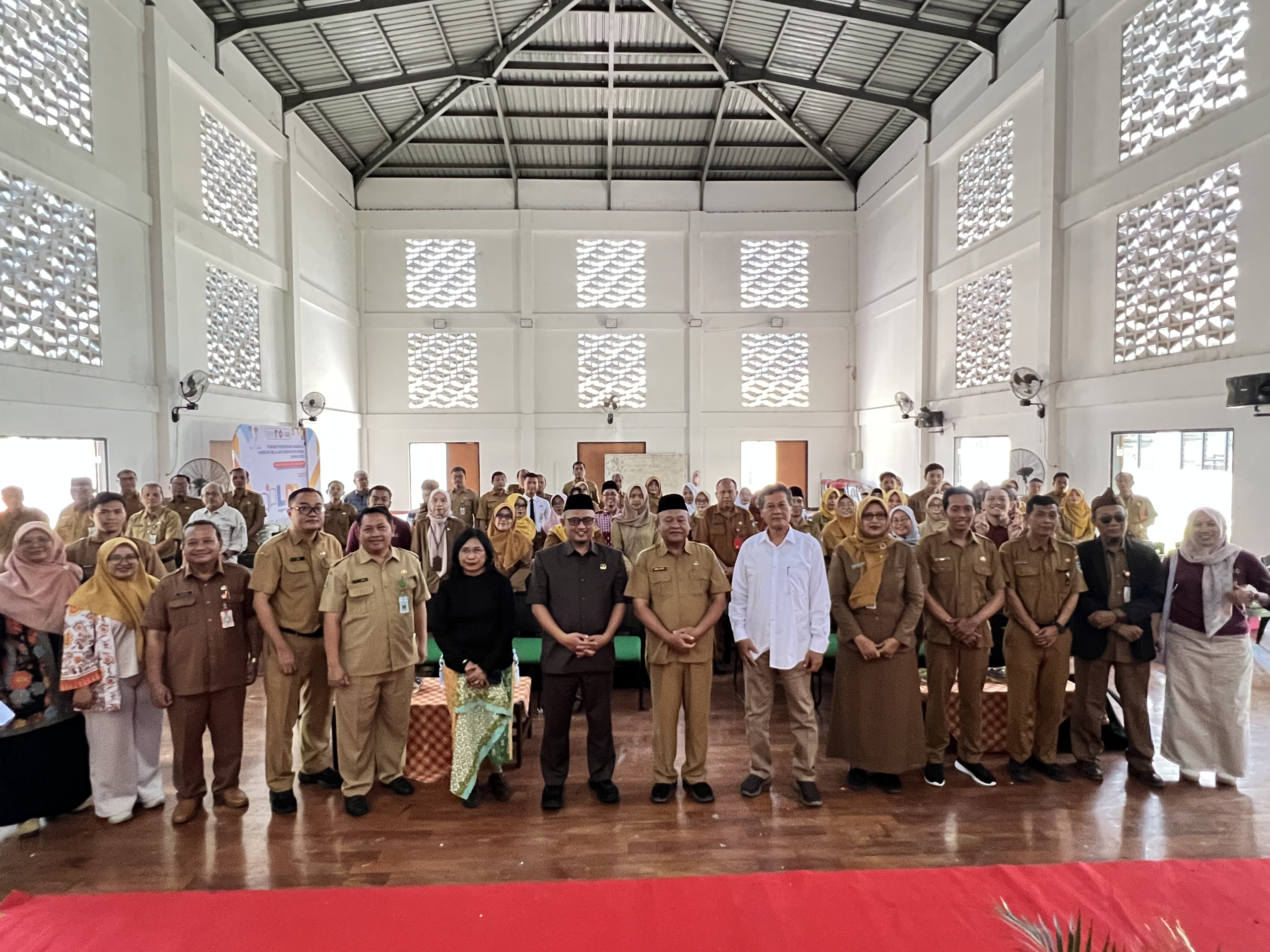
Advocacy efforts are carried out through a series of activities:
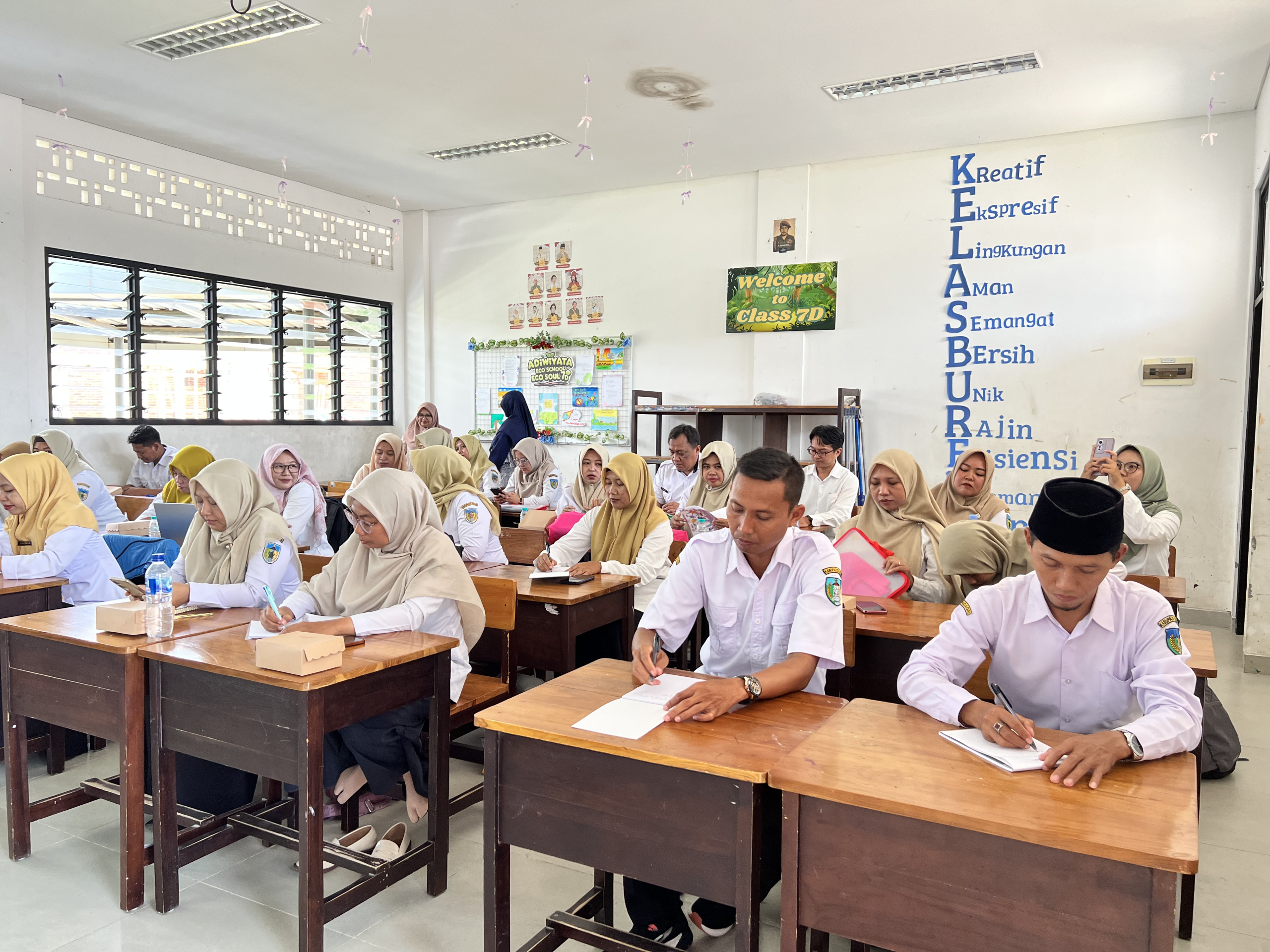
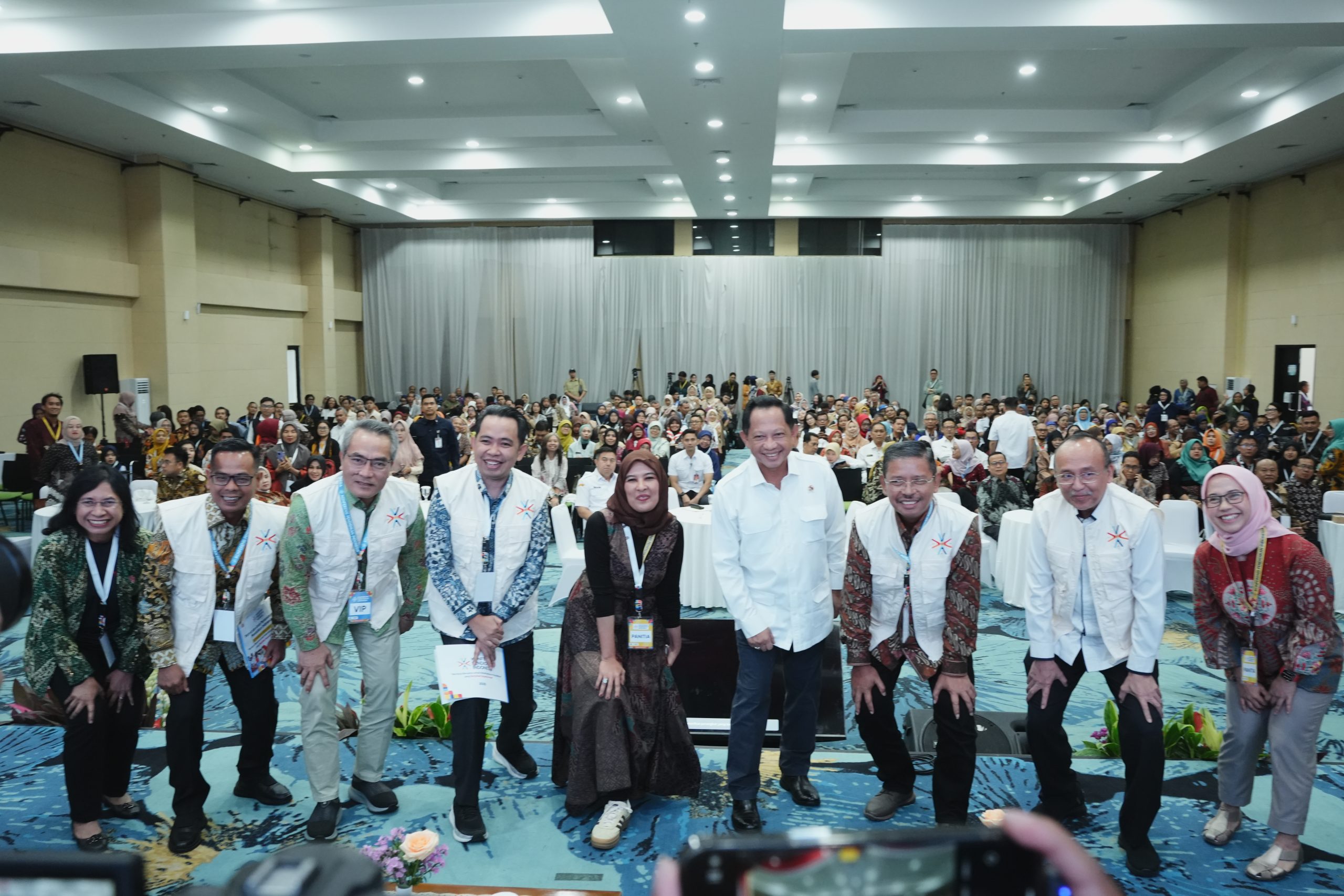
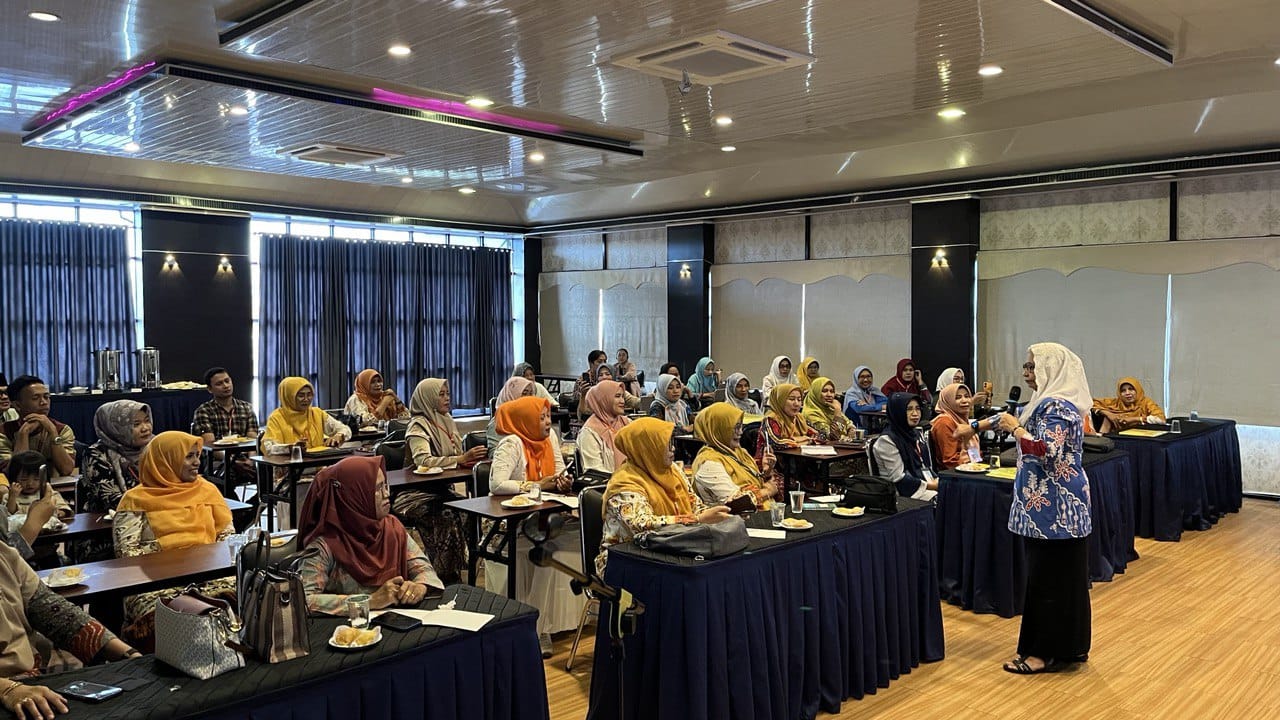
27 September 2024
23 May 2024
6 November 2024
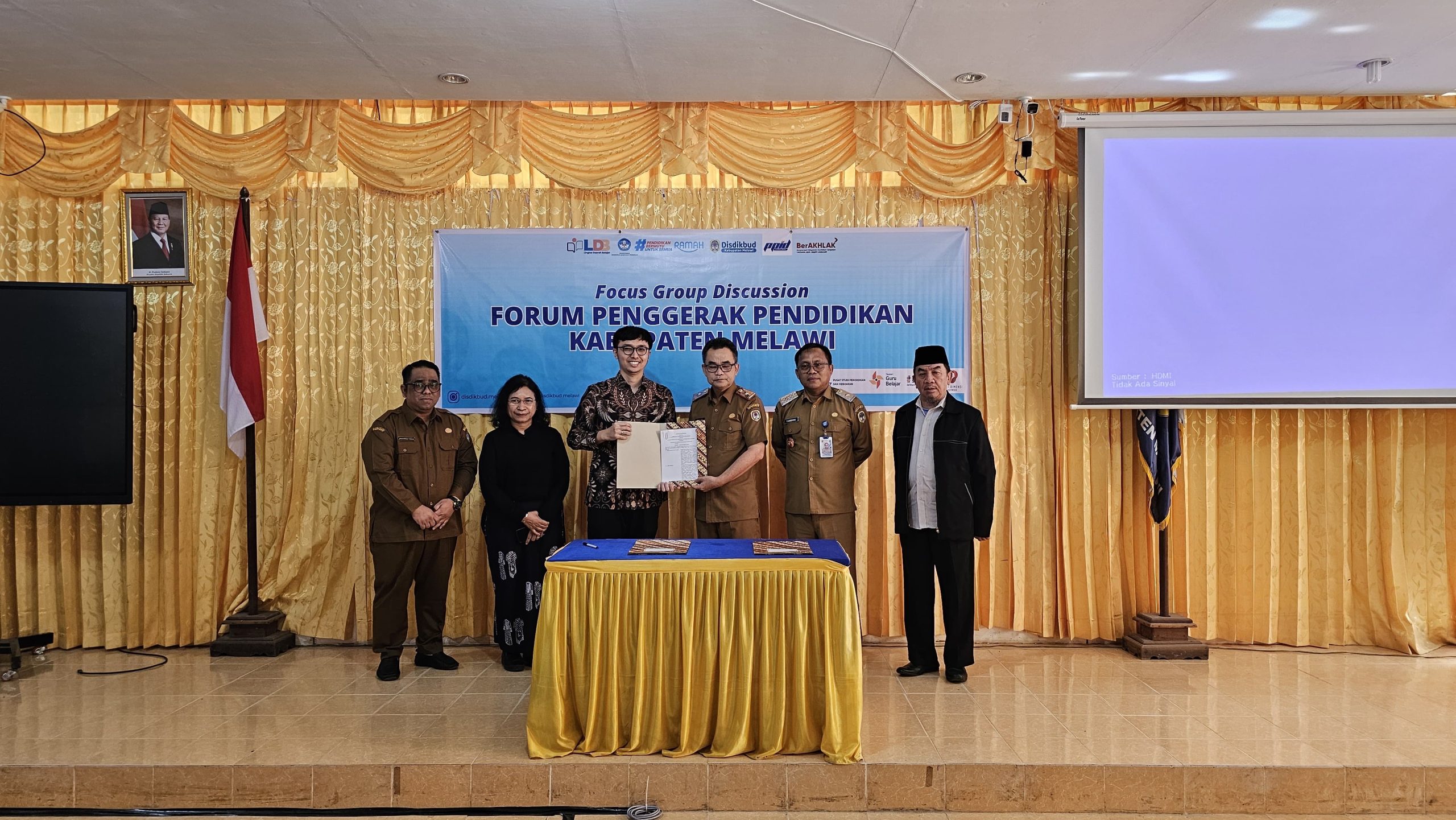
24 February 2025