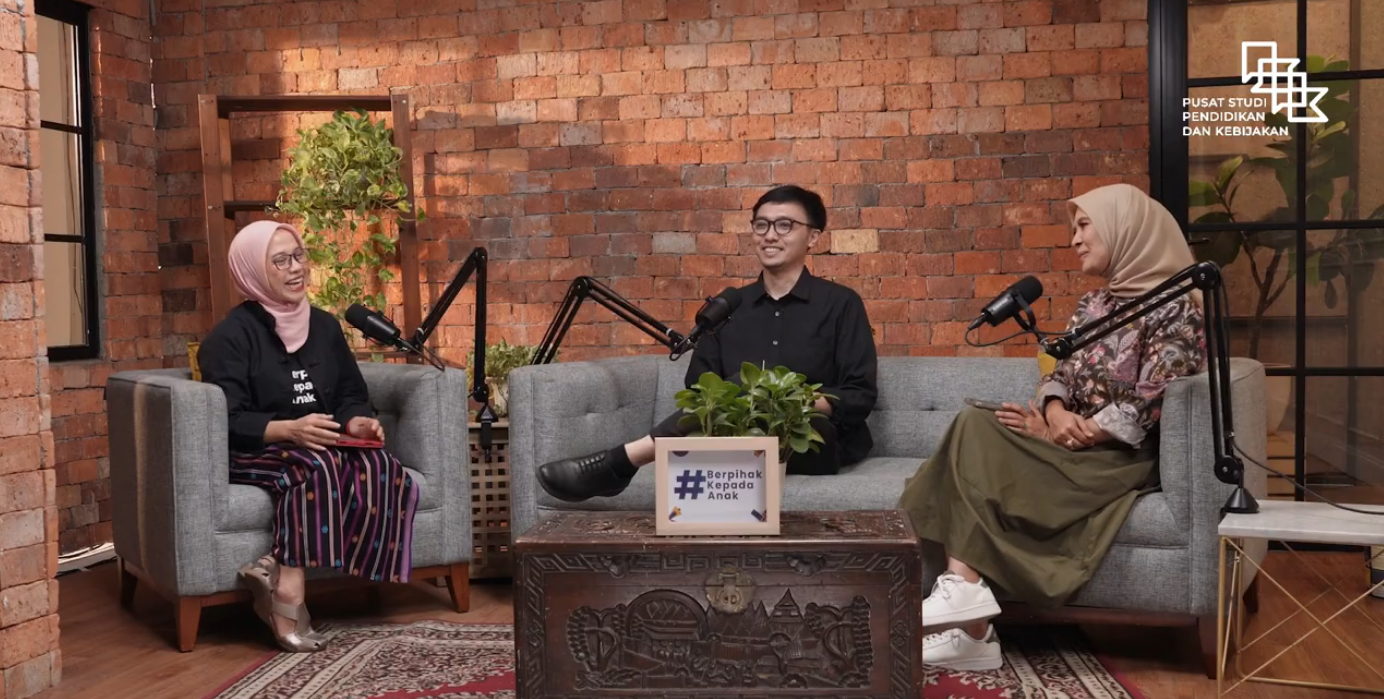
A visual space to share ideas and stories of change in education. Featuring discussions, interviews, and documentation of activities that broaden perspectives.
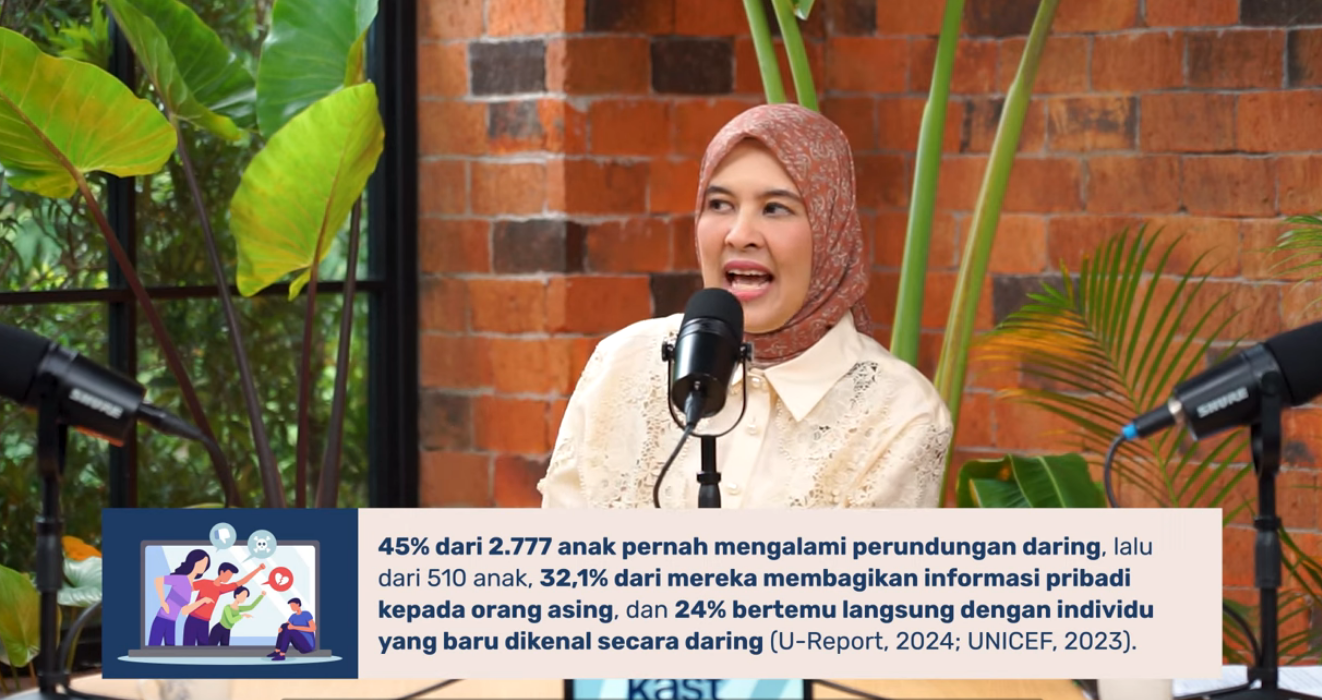

The digital space is like an open marketplace filled with various risks, where children, as visitors, do not yet have full control and therefore require protection and guidance. Through collaboration among policymakers, parents, and communities, and by listening to children’s voices, a safe digital ecosystem can be built so that children grow creatively and contribute as future digital talents.
Explore PSPK’s academic study with the Ministry of Communication and Digital on child protection in digital spaces, covering key risks, neurological and social impacts, the principle of digital safety by design, and policy recommendations for digital platforms.
PSPK recommends a five-year education policy strategy focused on equitable access, learning quality, teacher distribution, vocational education, and higher education. The strategy aims to close gaps and ensure every Indonesian child has fair access to quality education.

Compulsory education reflects the state’s commitment to ensuring equitable access to quality education for all children in Indonesia, not merely an obligation for parents. As the plan expands compulsory education to 13 years, including preschool, a key question emerges: is this policy simply about extending schooling, or does it represent a broader vision for the future of national education?

This episode explores the impact of the PPDB policy, particularly the zoning pathway, on students, teachers, and communities—examining challenges to access, classroom diversity, and school demographics—while highlighting opportunities and PSPK’s policy recommendations to strengthen a more inclusive, equitable, and high-quality education system.